
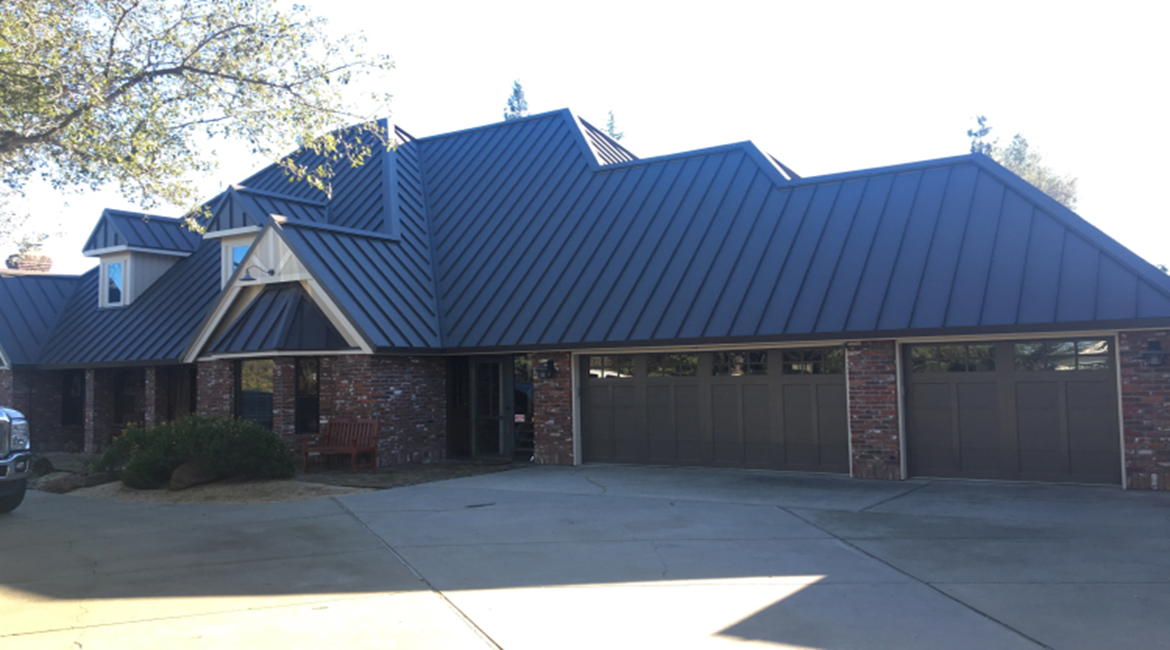
When it comes to garage doors, the track system is often overlooked. But it plays a critical role in ensuring your door operates smoothly and reliably. Without the right track system, even the most durable garage door can struggle to open and close properly.
In this guide, we’ll walk you through the three most common garage door track systems: standard vs. low-headroom, vs. high-lift, to help you make an informed decision about which system is best for your garage.
What is a Garage Door Track System?
A garage door track system is the mechanism that guides your door as it opens and closes. It consists of horizontal and vertical tracks that guide the door, along with the rollers and other hardware. The track system helps to distribute the door’s weight, ensuring that it opens smoothly and safely every time.
There are several track types designed to work with different door sizes, configurations, and available space. While each type serves the same basic function, the design of the tracks varies depending on your garage’s needs. Some systems are designed for limited headroom, while others are made for larger doors or commercial spaces.
3 Common Track Systems: Standard, Low-headroom, and High-lift
- Standard Garage Door Track System
The standard garage door track system is the most common and traditional design used in residential garages. It consists of tracks that run along the ceiling, guiding the door as it opens and closes. The system is simple, reliable, and widely used in many homes across the country.
Key Components
A standard track system includes horizontal tracks that extend across the ceiling, vertical tracks that run down the door frame, and curved tracks that allow the door to follow a circular path. The rollers fit into these tracks, allowing the door to move smoothly without much friction.
Advantages of Standard Tracks:
- Cost-effective: Standard track systems are generally the most affordable option, making them ideal for homeowners looking for a budget-friendly solution.
- Compatibility: These tracks work well with most residential garage doors, making them a versatile option for various door sizes and designs.
- Simple Installation: Standard track systems are relatively easy to install, which helps keep labour costs lower.
Limitations of Standard Tracks:
- Space Requirement: Standard tracks require ample ceiling space above the door for installation. If your garage has low ceilings, this could be a problem.
- Limited Flexibility: While standard tracks work well for most residential doors, they may not be the best choice if you have specific space constraints or require extra vertical clearance.
When to Use Standard Tracks
A standard track system is a great option for homes with adequate ceiling space and standard-sized garage doors. It provides smooth, reliable operation without any special modifications.
If your garage doesn’t have unusual ceiling restrictions or specific needs for space-saving or higher lift, a standard track system is usually the simplest and most effective solution for your door.
- Low-Headroom Garage Door Track System
The low-headroom track system is designed for garages with limited ceiling space. These tracks are more compact than standard systems, making them ideal for homes where headroom is restricted. By mounting the tracks closer to the ceiling, the door can open smoothly without requiring as much vertical space.
Key Features:
- Modified tracks run closer to the ceiling.
- The door travels in a more horizontal path before curving to its closed position.
- Maximizes headroom, leaving extra space for storage or taller vehicles.
This system is perfect for homeowners who want a fully functional garage door but need to make the most of limited vertical space.
Advantages of Low-Headroom Tracks:
- Space-Saving: The primary benefit of low-headroom tracks is the extra ceiling space they provide. This is especially useful in garages where headroom is limited, such as in older homes or smaller garages.
- Improved Clearance: Low-headroom tracks can give you more usable space in your garage, making them a great option for homes with taller vehicles or those looking to maximize storage.
Installation and Maintenance Considerations:
Because of the specialized design, low-headroom systems require precise installation. It’s crucial to have an expert install the system to ensure everything is correctly aligned and balanced. Maintenance is also important. Lubrication and regular inspections will help keep the tracks in optimal condition.
When to Use Low-Headroom Tracks:
Low-headroom track systems are perfect for garages with low ceilings or limited vertical space. If your garage is on the smaller side or you need extra headroom for taller vehicles, a low-headroom system can be a great fit. However, these systems require more detailed installation, and professional help is strongly recommended.
- High-Lift Garage Door Track System
The high-lift garage door track system is designed to lift the door higher than the standard tracks. This system is commonly used in commercial applications or for residential garages where taller vehicles need to be accommodated. The high-lift tracks allow the door to be stored higher, maximizing ceiling space.
Key Features:
High-lift tracks are engineered to raise the door much higher than traditional systems. The tracks are specially designed to lift the door nearly straight up, storing it close to the ceiling and allowing you to use more space below. These systems often require more extensive installation, but they provide significant benefits when you need the extra clearance.
Advantages of High-Lift Tracks:
- More Ceiling Space: High-lift tracks provide the maximum ceiling clearance, making them ideal for garages with large vehicles or those that require extra room for storage.
- Ideal for Commercial Spaces: High-lift systems are often used in commercial garages, warehouses, or any facility where tall vehicles like trucks or RVs need to be stored.
- Customizable: These systems can be customized to meet your specific garage height and usage needs.
When to Use High-Lift Tracks:
If you have a large garage or use your garage to store vehicles taller than the typical sedan or SUV, high-lift tracks are a great option. They are especially useful for businesses or homeowners who need the extra ceiling space to store large vehicles, or for garages with higher clearance needs.
Track System Comparison
To make the decision easier, here’s a quick comparison of the three track systems:
| Track System | Ideal For | Ceiling Space Required | Pros | Cons |
| Standard Track System | Average residential garages | Requires standard headroom | Cost-effective, versatile | Requires more ceiling space |
| Low-Headroom Track System | Garages with limited headroom | Low ceiling clearance | Space-saving, ideal for taller vehicles | Requires professional installation |
| High-Lift Track System | Large vehicles or commercial garages | High ceiling clearance | Maximum space utilization, customizable | Expensive, requires more installation space |
Conclusion
The right garage door track system is essential for smooth operation and optimal use of space. Whether you choose a standard, low-headroom, or high-lift system depends on your garage’s size, the height of your vehicles, and your specific space needs.
If you’re unsure which track system is right for your garage, it’s always best to consult a Raynor garage door professional. Your local Raynor Authorized Dealer can guide you through the process and ensure your system is installed safely and correctly.
Don’t let garage door track issues slow you down!
Consult a professional Raynor Authorized Dealer near you today to help you select and install the right track system for your needs. Whether it’s standard, low-headroom, or high-lift, our experts will ensure your door operates smoothly and safely.
