
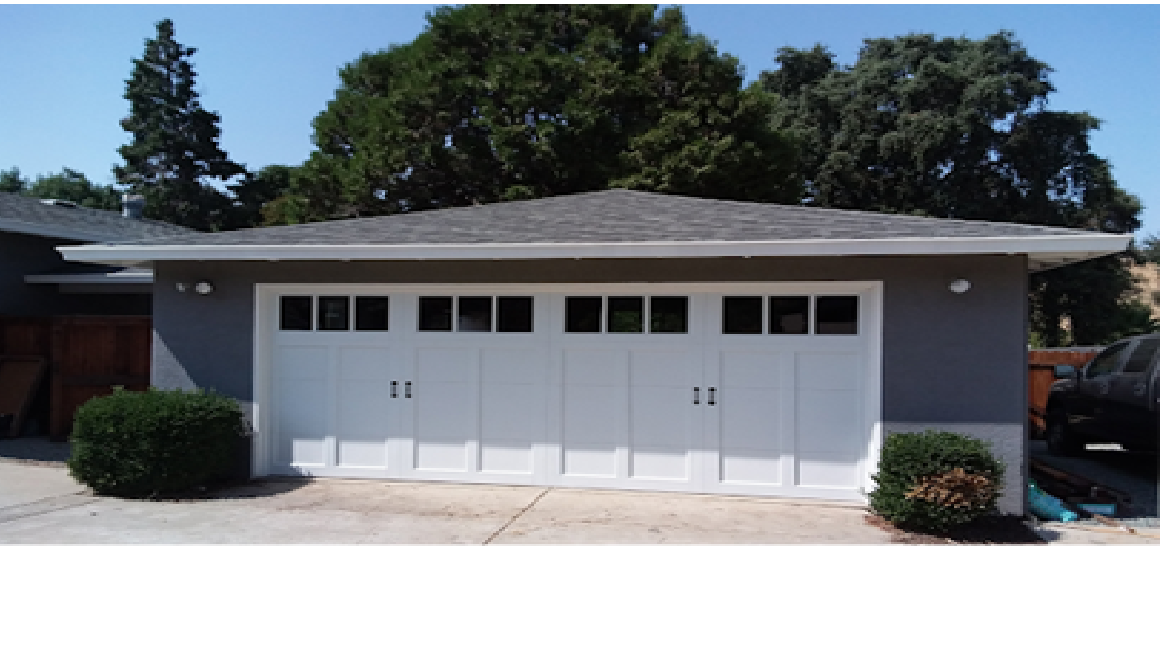
When you think about home energy efficiency, your garage door probably isn’t the first thing that comes to mind. But it should be.
Believe it or not, your garage door plays a surprisingly important role in keeping your home comfortable and your energy bills under control. In extreme weather, whether it’s scorching hot or bitterly cold, an energy-efficient garage door can make a noticeable difference. In this article, we’ll explore how upgrading to an energy-efficient garage door can help you save money, reduce energy waste, and even benefit the environment.
What Makes a Garage Door Energy Efficient?
-
High-Quality Insulation (R-Value)
The key to an energy-efficient garage door is insulation, measured by its R-value, a number that indicates how well the door resists heat transfer. The higher the R-value, the better the door insulates. High-quality insulated garage doors typically use materials like polystyrene or polyurethane foam. Of the two, polyurethane usually offers a higher R-value thanks to its greater density, making it more effective at keeping warm air in during winter and hot air out during summer.
-
Effective Weatherstripping and Sealing
Even the best-insulated garage door can lose energy if air leaks through gaps around its edges. Weatherstripping helps seal these gaps, preventing drafts, moisture, dust, and even insects from getting in. Creating a tight seal keeps outside air out and conditioned air in, boosting your home’s overall energy efficiency.
-
Durable Door Materials and Construction
The materials and construction of a garage door play a major role in its energy efficiency. Steel doors filled with foam insulation are among the top performers. Steel is durable and strong enough to support thick insulation layers. Some models feature multi-layer designs, combining steel or aluminum exteriors with insulated cores. This layered construction adds both strength and thermal protection, making the door more effective at conserving energy.
-
Door Design and Fit
For a garage door to be truly energy-efficient, it must fit snugly within its frame, leaving minimal gaps where air can escape. Many modern designs feature overlapping panels and built-in seals that form a tight barrier when closed. This prevents heat transfer through small openings and helps maintain consistent indoor temperatures.
-
Energy-Efficient Accessories
Additional features can further improve a garage door’s energy performance. For example, insulated hardware and track systems help minimize condensation and reduce thermal bridging, a common source of energy loss. These components contribute to a garage door system that’s more airtight, efficient, and environmentally friendly.
Benefits of Energy-Efficient Garage Doors
-
Lower Energy Bills
One of the most immediate benefits of upgrading to an energy-efficient garage door is a reduction in heating and cooling costs. These doors retain heat more effectively in winter and block excess heat during the summer, so your HVAC system doesn’t have to work as hard. This improved efficiency can noticeably lower your energy bills, sometimes cutting overall home energy use by up to 15%, depending on your climate and home layout.
-
Reduced Environmental Impact
Energy-efficient garage doors can also help reduce your home’s carbon footprint by lowering energy consumption. Using less energy means fewer fossil fuels are burned, which in turn decreases greenhouse gas emissions that contribute to climate change.
-
Improved Home Comfort
A well-insulated garage door helps stabilize temperatures in the garage and any adjoining spaces. If your garage shares walls or airflow with living areas, maintaining a consistent temperature can eliminate drafts, cold spots, and unwanted heat intrusion. This is especially valuable if you use your garage as a workspace, laundry area, or storage space, where temperature swings can be uncomfortable or even harmful to your belongings.
-
Noise Reduction
Beyond temperature control, insulated garage doors offer the added benefit of soundproofing. The insulation materials absorb and block outside noise, helping to reduce sounds like traffic, barking dogs, or lawn equipment.
-
Increased Property Value and Curb Appeal
Energy efficiency is a major selling point in today’s real estate market. Homes with energy-saving features often attract more buyers and can command higher prices. An insulated garage door not only improves your home’s energy performance but also enhances its curb appeal.
-
Durability and Reduced Maintenance
Many energy-efficient garage doors, especially insulated steel models, are built to last. The foam core adds structural strength, making the door more resistant to dents and everyday wear. Plus, these doors typically require less maintenance over time compared to traditional or wooden doors, saving you money on repairs and replacements while maintaining their energy-saving benefits.
Types of Energy-Efficient Garage Doors
When choosing an energy-efficient garage door, the material you select plays a crucial role, not only in the door’s appearance but also in how well it insulates and protects your home from energy loss. Let’s take a closer look at the most common materials and what makes them effective (or less so) for energy efficiency.
- Steel Doors. Strong, durable, and low-maintenance. When filled with polyurethane foam, they offer some of the best insulation (high R-values) and excellent protection against heat transfer. Resistant to warping and weather damage, available in many styles and colours.
- Wood Doors. Naturally appealing but poor insulators on their own. Energy efficiency improves when paired with foam or composite insulation, though this adds cost. Prone to warping and air leaks if not regularly sealed and maintained.
- Aluminum Doors. Lightweight and rust-resistant, making them ideal for coastal or humid areas. Weak natural insulation, but performance improves when combined with foam cores. Not as insulating as polyurethane-filled steel.
- Fiberglass Doors. Weather-resistant, dent-resistant, and can mimic wood with less upkeep. Offer moderate insulation when foam-filled. Performance varies by manufacturer and door design.
Tips to Improve Energy Efficiency of Existing Garage Doors
- Add Insulation Kits: Available at most home improvement stores, these kits include foam boards or reflective insulation panels you can install on the inside of your garage door.
- Seal Gaps with Weatherstripping: Inspect your door’s edges and bottom for gaps. Applying new weatherstripping or a garage door seal can significantly reduce drafts.
- Maintain Your Door: Regularly lubricate moving parts, check the door’s balance, and ensure it closes tightly every time.
- Install an Automatic Door Closer: This helps prevent the door from accidentally being left open, which wastes energy and compromises security.
- Insulate Adjacent Walls and Ceilings: Improving insulation around the garage itself also helps overall energy savings.
Conclusion
Upgrading to an energy-efficient garage door is a smart investment that benefits both your wallet and the environment. Improved insulation and sealing reduce energy loss, keep your home comfortable year-round, and help shrink your carbon footprint. Whether you choose to replace your door or enhance your current setup, boosting efficiency pays off in the long run.
Ready to Upgrade Your Garage Door?
Talk to a Raynor Authorized Dealer near you today and discover energy-efficient options that look great, cut your energy bills, and keep your home comfortable year-round.
