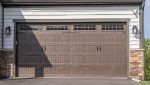
Most homeowners know the value of insulating their walls and around their windows and doors. However, when it comes to their attached or detached garage, many ask about insulated vs. non-insulated garage doors. Learn about insulated garage doors and the pros and cons of replacing your current garage door with an insulated door.
The Difference Between Insulated and Non-Insulated Garage Doors
The least expensive garage doors feature a thin metal or wood non-insulated panelling. While easy on your budget, non-insulated garage doors offer little protection against extreme outside temperatures. These doors also make it more difficult to control the climate inside your garage, leaking hot or cool air outside and forcing your HVAC system to work harder.
Insulated garage doors feature layers of steel or wood that encase styrofoam or spray foam, both of which create a barrier between the exterior and interior temperatures. Each type of garage door insulation offers different benefits and drawbacks.
Styrofoam Insulation
You can add styrofoam to uninsulated garage doors and gain some benefits from insulating your garage. However, styrofoam often leaves holes in door joints and other tight areas, reducing the insulation’s efficiency.
Spray Foam Insulation
While you can’t add spray foam to non-insulated garage doors, this insulation offers the best filling and bonding. Homeowners wishing to invest in an insulated garage door should expect higher garage door costs but should also anticipate significant energy savings.
Benefits of Insulated Garage Doors
To properly consider insulated vs. non-insulated garage doors, let’s take a look at the benefits of insulation:
Quieter Door Operation
When your garage door opens and closes, it moves on a pulley or track system that can make much banging, grinding or rattling noises. An insulated garage door makes much less noise than a non-insulated door.
Better Durability
Since insulated garage doors have more layers than non-insulated ones, they last longer and stand up better to potential damage caused by vehicles, passersby, and weather.
Improved Protection
Insulated garage doors keep extreme temperatures outside, helping to prevent car problems or damage to your belongings caused by freezing winters or sweltering summers.
Save Energy, Save Money
The insulation used in garage doors improves the doors’ efficiency, making it easier to control your garage’s interior temperature without raising your utility bill.
Improves Your Home’s Value
Insulated garage doors are a massive bonus to potential buyers when selling your home. Visitors to your house may open and close the garage doors to ensure they work correctly, so investing in insulated garage doors now makes your home more attractive.
Find the Right Insulated Garage Doors for You with Raynor Garage Doors in Dixson, IL
Now that you know the pros and cons of insulated vs. non-insulated garage doors, it’s time to consider an upgrade. Contact your local Raynor Authorized Dealer to learn more.